
Rockwool Attic Air Sealing: The Ventura Owner’s Guide
Rockwool attic air sealing in Ventura typically runs $1,450 to $3,800 for a full attic, and we stock Rockwool-compatible sealing materials on our trucks for same-week installation in most cases. The most common way owners discover their air sealing has failed is a slow, unexplained climb in the energy bill paired with rooms that never quite hold temperature. You might also notice dust collecting faster than it used to, or a persistent draft near ceiling light fixtures and attic hatches. If you’re reading this, you’ve probably already ruled out the windows and you’re looking up. And you’re in the right place.
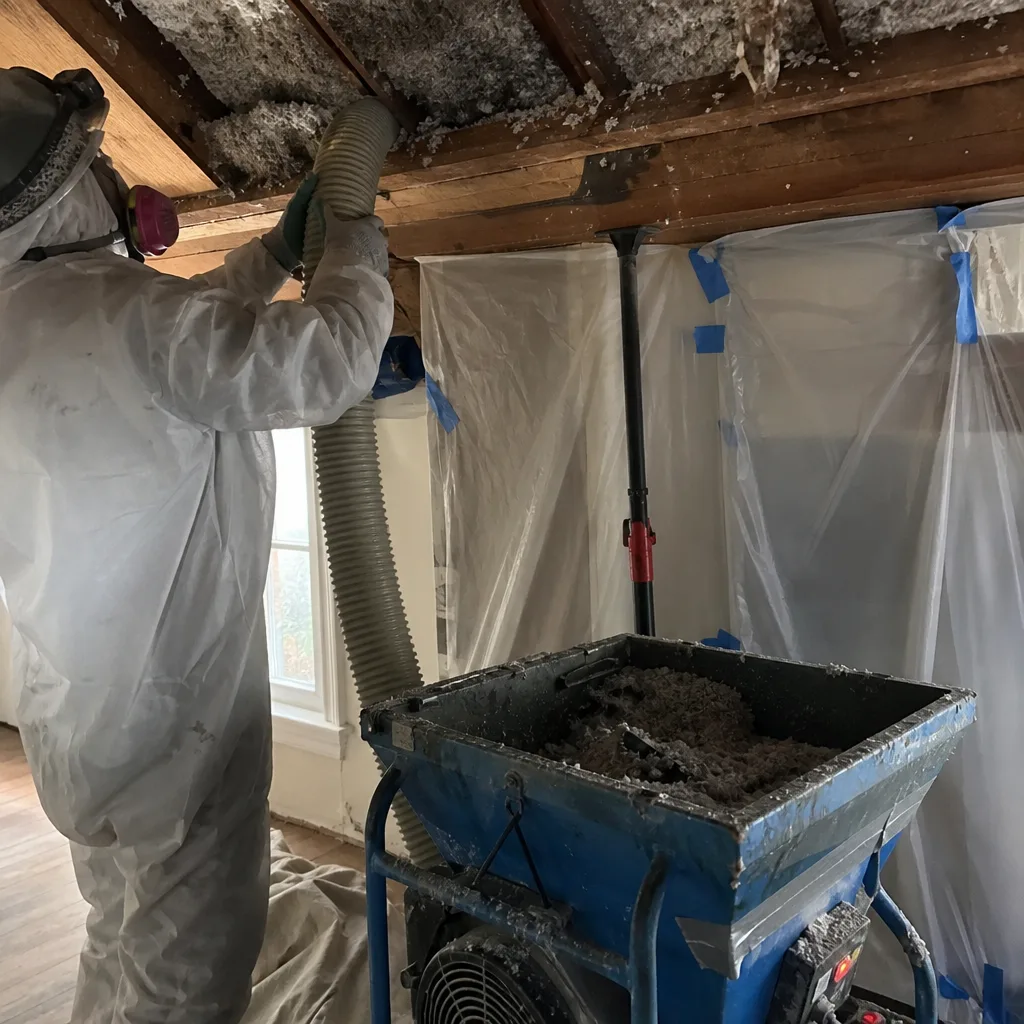
We’re an independent insulation contractor in Ventura, not affiliated with Rockwool, but we install and service their products every week. Bryce Holloway, our owner, has been working with mineral wool insulation for over two decades, and the air sealing component is where he sees the most owner confusion. It’s not a single part you can point to. It’s a system: the foam, caulk, gaskets, and weatherstripping that close the gaps between your conditioned living space and the attic above it. When that system degrades, your Rockwool batts or blown-in mineral wool are doing their job, but the air is still moving around them.
Which Rockwool Models This Applies To
Attic air sealing isn’t tied to one Rockwool product line, which is exactly what makes it tricky. It applies whether you have Rockwool Comfortbatt, Safe’n’Sound, or Comfortboard in the attic floor, walls, or roofline. The sealing work happens at the penetrations: the top plates of interior walls, around recessed can lights, plumbing vents, electrical wire drops, the attic hatch, and any chimney or flue chase. If you pull back your Rockwool batts and see gaps around any of those penetrations, that’s where your conditioned air is escaping.
The compatibility question comes down to what’s under the insulation, not the insulation itself. Rockwool batts sit on top of whatever air sealing exists at the ceiling plane. On older Ventura homes in neighborhoods like Midtown or the Avenues, that sealing often never happened in the first place. On newer builds, it’s usually there but degrading. The right way to identify what you have is to look for foam or caulk discoloration around penetrations, or test for drafts with a lit incense stick on a calm day. Aftermarket sealing products like foam sealant and caulk are perfectly appropriate here. This is not an OEM-parts situation like a furnace board. What matters is the material spec, not the brand printed on the tube.
Signs Your Rockwool Attic Air Sealing Is Failing
- Rooms that won’t hold temperature. The Rockwool is doing its job, but air is bypassing it entirely through gaps at wall top plates and around recessed fixtures. You’ll notice the thermostat says one thing and the bedroom says another.
- Dust accumulation on ceiling registers and light fixtures. Air moving through the attic carries fine particulate with it. When sealing fails, that dust gets pulled into the living space through the same gaps your air is leaving through.
- A draft near the attic hatch or pull-down stairs. This is usually the single biggest unsealed leak in a Ventura home. The gasket or weatherstripping around the hatch compresses over time, or was never installed correctly.
- Higher energy bills without a rate increase. Most Ventura homes lose 20 to 30 percent of conditioned air through the attic when sealing is compromised. That’s your HVAC running longer to fight air movement that insulation alone can’t stop.
- Noticeable temperature difference between the first and second floor. In the two-story homes up toward the hills and down by the harbor, this is a classic symptom. The upstairs ceiling plane is the largest unsealed surface in the house, and heat rises straight through every gap.
Replacement Cost & What’s Included
Full attic air sealing for a typical Ventura single-family home runs $1,450 to $3,800. The range is driven by attic size, how many penetrations need treatment, and whether we’re also replacing degraded hatch gaskets or adding an insulated hatch cover. Smaller attics under 1,000 square feet with straightforward access tend to land at the lower end. Attics with multiple plumbing vents, recessed lighting cans that need covers, or awkward rooflines like the older craftsman homes near downtown Ventura push toward the higher end.
Every quote is a written number before we start. That price includes material, labor, cleanup, and a walkthrough at the end. And the work is covered by our 365-Day Done Right Promise: if the sealing fails within a year, we come back and fix it at no charge. No re-quote, no service fee, no hedging. That’s the Garrison Standard, and it applies to every job.
DIY or Call Us?
Here’s the honest split. You can absolutely inspect your attic safely. Wear a mask and long sleeves, bring a headlamp, and watch where you step. Rockwool batts are easy to lift and set back down. What you’re looking for is straightforward: discolored foam, cracked caulk, missing weatherstripping around the hatch, or visible gaps around pipes and wires. Assessment is within most homeowners’ reach.
The actual sealing work is where it gets less forgiving. Spray foam expands fast and bonds to everything it touches. It’s easy to over-apply, seal a vent that should stay open, or create a mess that’s harder to undo than the original gap. And if you have recessed lights that aren’t IC-rated, sealing around them without proper covers is a real fire hazard. That’s the line we draw: if you’re comfortable checking, check. If you find gaps and want them closed right, call (341) 895-7513. We’ll match the material to the house and be in and out in a day.
FAQs
In Ventura’s climate, a properly done air sealing job lasts 15 to 20 years before the materials start to degrade. The biggest variable is UV exposure, but since this work happens inside the attic, the real wear comes from temperature cycling. Our coastal marine layer and summer heat swings cause expansion and contraction that eventually cracks foam and caulk. The 365-Day Done Right Promise covers you for the first year, and from there, most owners get well over a decade before anything needs attention. Call (341) 895-7513 if you suspect your sealing is already at the end of its life.
Yes. In most cases, you don’t need a full replacement. We can re-foam the specific penetrations that have failed, replace hatch gaskets, and add covers to can lights without disturbing the Rockwool insulation that’s already in place. A partial repair typically runs $400 to $900 depending on how many gaps need treatment. Bryce Holloway measures the house before quoting anything, so if a repair will do it, that’s what we’ll tell you. If the sealing was never done right in the first place, a full job is the better call.
Most full attic air sealing jobs in Ventura are done in a single day, usually four to six hours. Larger attics or jobs that involve moving existing Rockwool batts around may take a day and a half. We schedule a specific window and our background-checked, uniformed technicians arrive inside that window, not a vague half-day range.
We do. Our trucks carry foam sealant, acoustic caulk, weatherstripping, and hatch gaskets sized for the common Rockwool configurations we see in Ventura homes. We also work with Owens Corning, Johns Manville, Knauf, CertainTeed, Icynene, Demilec, GreenFiber, and Reflectix, so if your attic has mixed products from past jobs, we can match whatever’s up there. Call (341) 895-7513 for a free estimate and a written price before we open a single material package.
Written by Bryce Holloway, Owner, Alden Insulation Ventura at Alden Insulation Ventura, serving Ventura and nearby areas.