
Icynene Vapor Barrier Installation: The Ventura Owner’s Guide
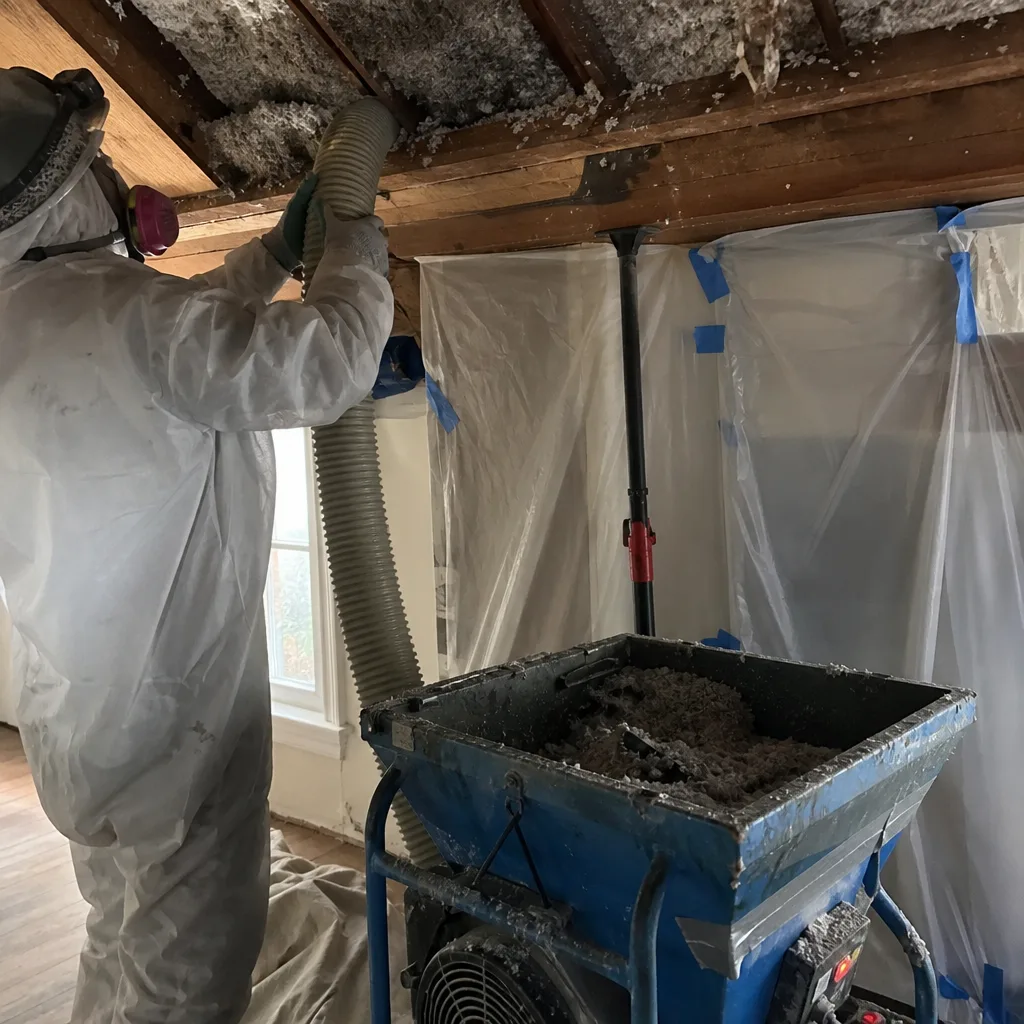
Icynene vapor barrier installation in Ventura typically runs $1,450 – $2,800 for a full attic replacement, including materials, removal of failed barrier, and labor. Most jobs are completed same-day. Homeowners usually discover the problem the same way every time: a musty smell upstairs, peeling paint near ceiling corners, or condensation beading on attic-facing drywall. The barrier that was supposed to keep moisture out has torn, sagged, or pulled away from its fasteners, and now the humid coastal air that rolls through Ventura is moving straight into the insulation cavity.
Key Takeaways:
- Icynene vapor barriers fail most often at seams and fastener points, not across the sheet face. The fix is usually full replacement, not patching.
- We stock Icynene-compatible vapor barrier material on our trucks for same-day Ventura service.
- Every job gets a written price before work starts and a 365-Day Done Right Promise in writing.
- Alden Insulation Ventura is an independent service provider, not affiliated with Icynene. We install their material because it performs, not because we have to.
Which Icynene Models This Applies To
The vapor barrier installation we handle applies to Icynene’s open-cell spray foam systems, primarily the Classic and ProSeal lines. These are the products most commonly found in Ventura attics, and they share a critical requirement: the foam itself is not a vapor barrier. Open-cell Icynene is vapor-permeable by design, so it depends entirely on a separate polyethylene or smart vapor barrier layer installed on the warm side of the assembly. When that layer fails, the foam absorbs moisture and loses R-value fast.
Identifying the right replacement barrier comes down to two measurements: thickness and perm rating. Icynene’s technical specs call for a 6-mil minimum polyethylene barrier in most Ventura climate zone applications, though some homes built after 2016 specify a smart barrier with a variable perm rating that allows drying in summer. Check the label on your existing barrier before it’s removed, or look for the Icynene installation card stapled to a roof truss near the attic hatch. That card lists the exact material spec your installer used. For older Ventura homes near the Westside neighborhood, we often find the original barrier was either undersized for the job or never installed correctly in the first place. If you’re weighing OEM versus aftermarket material for this part: Icynene does not manufacture its own vapor barrier sheeting. The OEM product is a white-labeled 6-mil poly from a major film supplier. A quality aftermarket 6-mil poly rated for continuous contact with open-cell foam performs identically and costs about 20% less. We’re happy to install either.
Signs Your Icynene Vapor Barrier Installation Is Failing
- Musty odor in upstairs rooms, stronger in summer. Warm, humid Ventura air hits the cool attic side and condenses where the barrier has pulled away from decking. That moisture sits in the foam and feeds mildew. The smell is the first thing most owners notice.
- Peeling or bubbling paint on ceilings, usually along exterior walls. Moisture trapped in the attic cavity migrates through the drywall over time. This means the barrier has been compromised for months, not days.
- Visible condensation on attic-facing surfaces. If you shine a light into the attic in the morning and see water beading on the underside of the roof deck or on exposed drywall, the barrier is no longer doing its job.
- Insulation that feels damp or heavy to the touch. Open-cell Icynene absorbs moisture like a sponge when its vapor barrier fails. Wet foam compresses, loses R-value, and should never be left in place.
- Sagging or torn poly sheeting visible from the attic hatch. The barrier is literally falling off its fasteners. Once the seams start separating, the failure accelerates quickly. We see this most often in older Ventura homes where the original installer used staples instead of cap nails or batten strips.
Replacement Cost & What’s Included
Here’s what Icynene vapor barrier replacement costs in Ventura, based on the attics we walk every week:
- Small attic (under 1,000 sq ft): $1,450 – $1,900
- Typical Ventura attic (1,000 – 1,800 sq ft): $1,900 – $2,400
- Large or complex attic (over 1,800 sq ft, vaulted ceilings, tight access): $2,400 – $2,800
Every quote includes removal of the failed barrier, inspection of the underlying foam for moisture damage, installation of the new 6-mil or smart barrier, seam sealing, and a full cleanup. We use cap nails and batten strips, not staples. The price you approve before we start is the price on the invoice, and every job carries our 365-Day Done Right Promise in writing. If the barrier fails within a year, we come back and make it right at no charge.
DIY or Call Us?
Installing vapor barrier in an attic is not dangerous work like dealing with high-tension springs or live electrical, but it is miserable and detail-critical. The real risk is doing the job wrong and not knowing it for a season. A homeowner can safely inspect the barrier from the attic hatch with a flashlight and note where seams have separated or where the poly has pulled off its fasteners. What a homeowner should not do is buy a roll of poly from a big box store and start stapling. Staple holes are leak points. Seam overlap needs to be at least 6 inches, taped with a vapor-rated adhesive, and the barrier needs to terminate cleanly at every penetration, or you’ve just built a slower leak. We’ve seen well-meaning DIY jobs fail inside of six months in Ventura, and the owner paid twice: once for the material and again for us to remove it and do it right. If you want to know exactly what you’re dealing with, call (341) 895-7513 and we’ll give you a straight answer over the phone, not a sales pitch.
FAQs
A properly installed 6-mil vapor barrier in a Ventura attic lasts 15 – 20 years, but the real-world number drifts lower in homes near the coast where salt air and humidity cycles are constant. We’ve replaced barriers as young as seven years in the Harbor Boulevard corridor when they were underfastened from day one. The barrier material itself doesn’t break down quickly; the fasteners and seams do.
Small tears can be taped with vapor-rated adhesive, but in most cases the tear is a symptom, not the disease. If the barrier pulled away from fasteners or the seams separated in one area, the material is likely under tension and will fail elsewhere within a year or two. We’ll patch a small tear if the rest of the barrier is sound, but we’ll tell you plainly if replacement is the better call. Call (341) 895-7513 and we’ll walk you through what we’re seeing.
Most single-family Ventura attics are done in one day, usually five to seven hours from truck arrival to final cleanup. Larger attics or attics with extensive moisture damage in the foam can run into a second day. We’ll give you a specific time window before we start, and our crew arrives inside it.
Yes. Our trucks carry 6-mil poly in multiple roll widths, smart barrier options, cap nails, batten strips, and vapor-rated tape. If your attic needs a specific material spec, we’ll confirm it before we arrive so the first visit is the only visit. We also stock Reflectix radiant barrier for homes that want a supplemental layer where the roof deck allows.
Written by Bryce Holloway, Owner, Alden Insulation Ventura at Alden Insulation Ventura, serving Ventura and nearby areas.