
Icynene Radiant Barrier Installation: The Ventura Owner’s Guide
Icynene radiant barrier installation in Ventura typically runs $1.50 to $3.25 per square foot installed, depending on attic access, existing insulation condition, and whether we’re stapling to rafters or laying over existing material. Our crew stocks Icynene-compatible radiant barrier on the truck and can usually handle most single-story Ventura attics same-day once we’ve measured. Most homeowners discover the problem the hard way: an upstairs bedroom that won’t hold temperature in August, or an energy bill that spiked during the first real heat wave of the year.
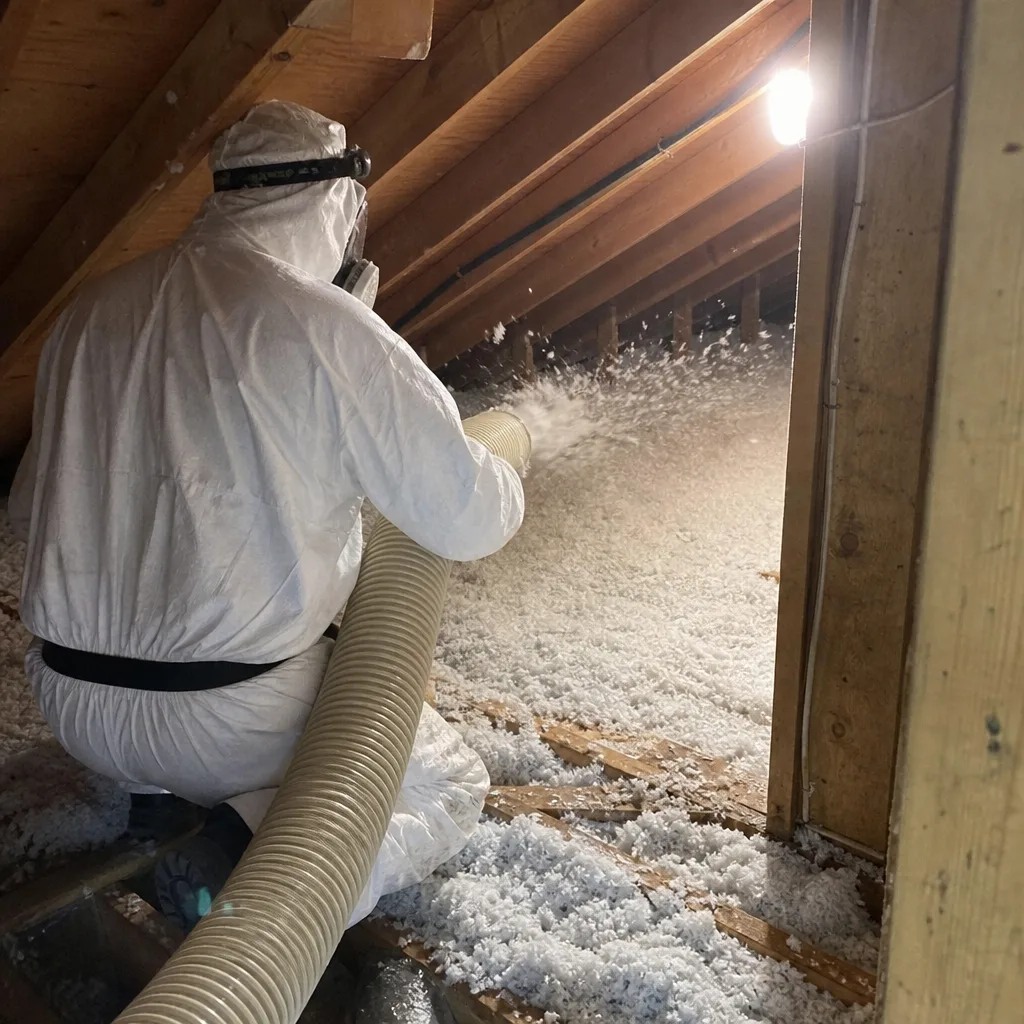
What you’re dealing with is a reflective foil layer that’s either torn, sagging, or was never installed correctly to begin with. In Ventura’s marine layer and summer heat cycles, a failed radiant barrier means your attic becomes a heat reservoir, and your air conditioner works against it all afternoon. The fix is straightforward when the material is matched to your Icynene setup and stapled properly, which is where most DIY attempts go sideways.
Which Icynene Models This Applies To
Radiant barrier installation crosses most of the Icynene product line, but the attachment method changes based on what’s already in your attic. If you have Icynene open-cell spray foam on the roofline, the radiant barrier would have been installed against the roof deck before foaming, or it wouldn’t have been installed at all. That’s the first compatibility gotcha: open-cell foam and radiant barrier rarely coexist in the same cavity because the foam needs direct contact with the deck to cure properly.
For Icynene closed-cell installations or homes where Icynene was used in walls and a separate attic radiant barrier was added, you’re looking at a foil-faced product with a specific perforation pattern. Perforated radiant barrier breathes, which matters in a Ventura attic where trapped moisture from the marine layer will condense against non-perforated foil. We’ve pulled out non-perforated barrier from attics near the Ventura Avenue corridor that had mildewed insulation underneath because the wrong product was used. If your existing barrier has visible mold spots or the insulation below feels damp, that’s the likely cause.
For the OEM-versus-aftermarket question: Icynene doesn’t manufacture radiant barrier as a branded standalone product. The Icynene name applies to the spray foam insulation. The radiant barrier itself will be from a specialty manufacturer, and any foil product rated at 95% reflectivity or higher, perforated for attic use, will perform correctly when installed to the same spec. We carry barrier that matches what’s typically specified with Icynene jobs, and we also stock Reflectix for replacement patches where homeowners want a specific brand they recognize.
Signs Your Icynene Radiant Barrier Installation Is Failing
- Upstairs rooms run 8 to 12 degrees hotter than downstairs in summer. The barrier has either detached from the rafters or was never stapled at the proper spacing, leaving gaps where radiant heat pours straight through. In Ventura’s east-end neighborhoods where afternoon sun hits hard, this shows up fast.
- Sagging or drooping foil visible from the attic access point. Staples have pulled loose, usually because the installer used standard staples instead of the longer, wider-crown staples radiant barrier requires. California’s temperature swings from cool marine mornings to triple-digit inland afternoons work staples loose over time.
- Energy bills climbing year over year without a change in household habits. Radiant barrier loses effectiveness when dust settles on the reflective surface. A layer of Ventura County dust cuts reflectivity noticeably, and the fix is as simple as replacement in most cases.
- Condensation or moisture staining on insulation below the barrier. Non-perforated foil was installed in an attic that needed breathable material. Ventura’s coastal humidity makes this a recurring issue in homes from Midtown to the Keys.
- Torn sections near attic access points or around recessed light fixtures. Anyone who’s been in the attic for wiring, HVAC, or pest control work may have cut or pulled the barrier. Recessed lights require a specific clearance gap, and inexperienced installers often leave foil too close, creating a fire risk that needs correcting.
Replacement Cost & What’s Included
For a typical Ventura single-story home with attic access, full radiant barrier replacement runs $1,850 to $4,200 installed. That range covers barrier material, staples, seam tape, labor, and cleanup. The spread depends on square footage, roof pitch complexity, how much of the old barrier needs pulling out, and whether existing insulation needs moving to access the underside of the rafters.
Our written estimate includes the material cost broken out from labor, so you see exactly what you’re paying for before work starts. The price on that paper is the price on the invoice, no adjustment at the door. Every installation carries the 365-Day Done Right Promise: if the barrier comes loose, tears, or fails within a year, we return and fix it at no charge, including a second visit if needed. Bryce Holloway’s crew doesn’t leave a job until the barrier is pulled taut, stapled on proper centers, and taped at every seam.
DIY or Call Us?
You can check a few things yourself without getting on a ladder: look at your energy bills for unexplained increases, and if you can see the attic access from a step stool, shine a light up to check for sagging foil. That’s where safe DIY ends.
Working in an attic in Ventura means contending with limited headroom, exposed nails, and temperatures that hit 120 degrees in summer. Radiant barrier installation requires working above your head for extended periods, and getting staple spacing wrong means the product fails again inside a year. There’s also the matter of venting clearances: getting foil too close to can lights or blocking soffit vents creates real problems that cost more to fix than the original installation would have. If you want to talk through what you’re seeing before committing, call (341) 895-7513 and describe what you found. We’ll give you a straight answer about whether it’s worth a service call.
FAQs
A correctly installed perforated radiant barrier in Ventura should last 12 to 18 years before reflectivity drops enough to warrant replacement. Coastal humidity and dust accumulation shorten that window, which is why we recommend checking barrier condition during any attic work rather than waiting for a comfort problem to appear. Call (341) 895-7513 for an evaluation; we’ll tell you honestly if replacement is worth it right now.
Small tears under 12 inches can sometimes be patched with foil tape if the surrounding material is still taut and clean. Larger tears, sagging sections, or barrier that’s pulling away from rafters usually means the original install wasn’t done correctly, and patching becomes a series of small repairs that add up. We’ll patch where it makes sense and recommend replacement only when the barrier’s integrity is gone.
Most single-story attics take one crew four to six hours, including removal of old material if needed. Two-story homes or attics with complex rooflines run a full day. We schedule inside a specific arrival window, not a half-day range, and the technicians show up in uniform with the barrier and tools on the truck.
We stock perforated radiant barrier rated at 95% reflectivity or better on our trucks, along with Reflectix for smaller patch jobs. You don’t need to buy anything in advance. If your attic needs a non-standard size or a specific product you’ve researched, we can source it and include it in the written estimate before any work begins.
Contact Alden Insulation Ventura
If your Icynene radiant barrier is failing or you’re not sure whether the attic heat is actually a barrier problem, call (341) 895-7513. You’ll get a live person on the line, not a voicemail, and we’ll schedule a time that works. We measure the house, match the material, and do the job right the first time. The written estimate is free, and the price you approve is the price you pay.
Written by Bryce Holloway, Owner, Alden Insulation Ventura, serving Ventura and nearby areas.