
Demilec Attic Insulation: The Ventura Owner’s Guide
Demilec attic insulation in Ventura typically runs $2,300 – $5,800 installed, depending on attic square footage, current R-value, and whether you need removal of old material first. We stock Demilec-compatible spray foam and blown-in options on our trucks and can usually complete a full attic insulation job in a single day. Most Ventura homeowners discover a Demilec insulation failure through one of three ways: a sudden spike in their energy bill, a room that stays stubbornly hot in August, or visible settling and gaps where foam has pulled away from the framing.
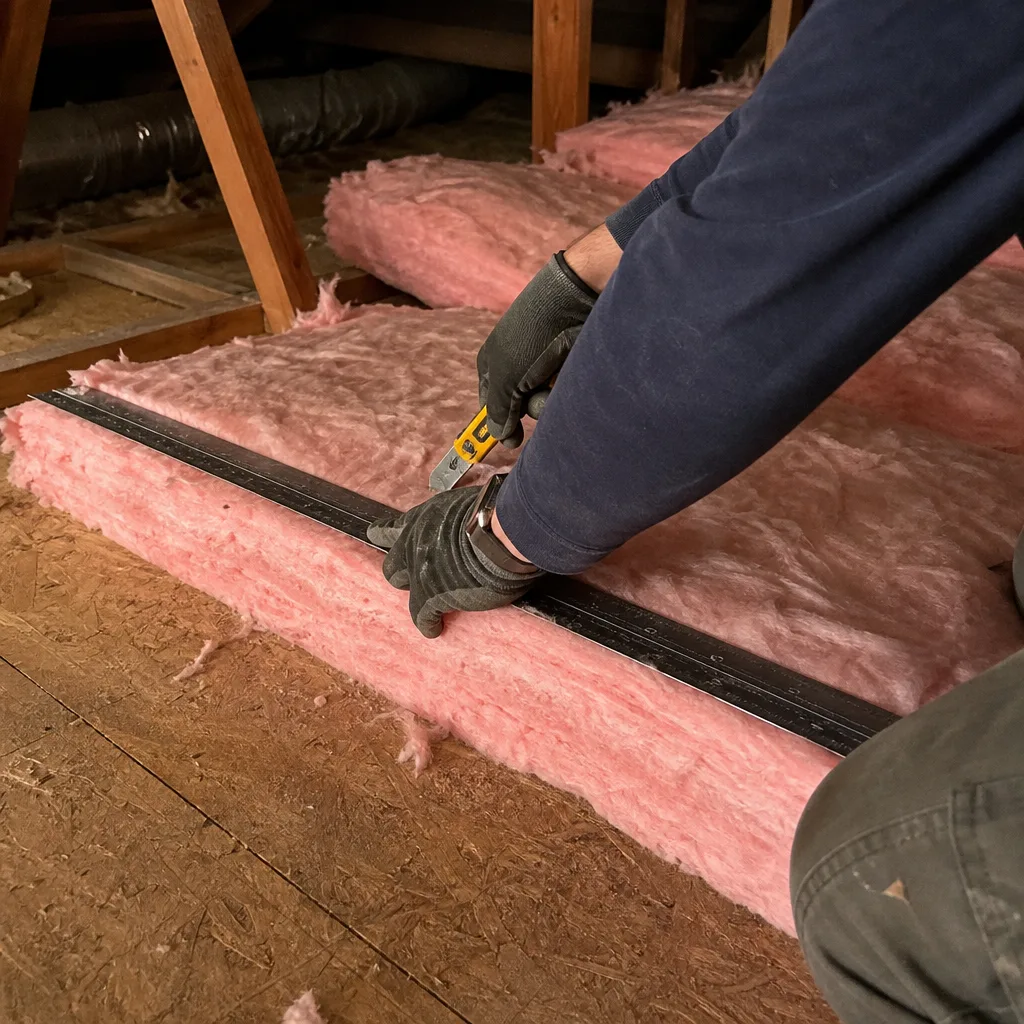
What we see most often in Ventura attics isn’t dramatic. It’s gradual. The Demilec foam loses adhesion in a few spots, or the existing blown-in layer over it compacts from years of coastal humidity and heat cycling. The result is an attic that silently stops doing its job. When that happens, the fix isn’t a patch job. It’s an assessment of what’s still bonded, what’s failed, and what needs to come out before new material goes in. That’s the part most contractors skip. We don’t.
Which Demilec Models This Applies To
Demilec makes two primary lines we work with in Ventura attics: Heatlok HFO (closed-cell spray foam) and Sealection 500 (open-cell spray foam). The Heatlok line is the most common in California because its closed-cell structure gives a higher R-value per inch, usually R-7 to R-7.5, which matters in shallow Ventura roof decks. Sealection 500 runs around R-3.8 to R-4.2 per inch and is more often used in wall cavities, but some older Ventura homes have it in the attic from a previous installation.
If you have a Demilec product and you’re not sure which one, check the access hatch or the underside of the roof deck for a stamped label. Demilec installers are supposed to leave a tag with the product name and the install date. No tag? A visual check tells us a lot: Heatlok feels dense and rigid, almost like firm foam board, while Sealection is softer and more sponge-like to the touch. The compatibility gotcha most homeowners don’t know: closed-cell and open-cell foams don’t bond reliably to each other. If a previous contractor sprayed open-cell first and someone added closed-cell on top later, the layers can separate over Ventura’s temperature swings. That’s a removal-and-reseal situation, not a simple re-spray.
We are an independent service provider. We’re not affiliated with Demilec, but we install and remove Demilec products regularly, along with Owens Corning, Johns Manville, Knauf, Rockwool, CertainTeed, Icynene, GreenFiber, and Reflectix. When a repair calls for an aftermarket equivalent rather than OEM Demilec foam, we’ll tell you why and put the comparison in writing so you can decide before we start.
Signs Your Demilec Attic Insulation Is Failing
- Uneven room temperatures, especially upstairs. When Demilec foam pulls away from the roofline, hot air enters through the gaps, and upstairs rooms take the hit first. If your upstairs bedroom runs 8 – 10 degrees warmer than the hallway thermostat, the attic is the first place we look.
- Energy bills creeping up without a rate change. Ventura’s coastal climate means moderate winters, but summer cooling loads are real. A $40 – $70 monthly increase over the same period last year is a signal the attic’s thermal barrier has a gap somewhere.
- Visible shrinking or cracking of the foam. Closed-cell Demilec foam that’s lost adhesion will separate from the rafters, often leaving a visible crack line. In Ventura’s humidity swings, this is more common in attics with poor or blocked ventilation.
- Condensation or musty smell in the attic. When open-cell foam retains moisture from a roof leak or the marine layer, it loses R-value and can hold water against framing. That’s a removal job, not a re-cover job.
- Pest activity in the attic. Rodents chew through open-cell foam readily. If you’re hearing scratching above the ceiling and seeing foam debris around the hatch, the material’s been compromised and needs sealing, often with a closed-cell replacement product.
Replacement Cost & What’s Included
In Ventura, most Demilec attic insulation replacements land between $2,300 and $5,800. The range is driven by four things: attic floor area, the depth or thickness being replaced, whether the old material has to come out first, and whether we’re matching the existing Demilec product or switching to something better suited to the space.
| Scope | Typical Ventura Price Range |
|---|---|
| Spot repair of a failed Demilec section (under 200 sq ft) | $800 – $1,600 |
| Full Demilec re-spray over an existing bonded layer | $2,300 – $3,900 |
| Full removal of failed Demilec + new installation | $3,600 – $5,800 |
Every one of those numbers is a written price before we start. Not an estimate, not a ballpark. The number you approve is the number you pay. The job includes masking and protecting the attic access area, the material, the labor, and cleanup. And here’s the part that matters to most Ventura homeowners who’ve been burned before: our work is covered by the 365-Day Done Right Promise, in writing. If the insulation fails within a full year, we come back and make it right at no charge. That’s not a sales line. It’s the Garrison Standard, and it’s non-negotiable on every job we do.
DIY or Call Us?
Insulation isn’t high-tension like a garage door spring or live like an electrical panel, but Demilec spray foam has its own set of risks. The two-part chemical reaction generates heat as it cures, and improper mixing or application can produce off-gassing, poor adhesion, and wasted material. A homeowner attempting a DIY re-spray in a Ventura attic without proper ventilation, respiratory protection, and mixing discipline is risking a failed bond that looks fine for six months and then fails silently. That’s the expensive version of DIY.
What you can safely do yourself: check for visible cracks, shrinkage, or pest damage from the hatch. Note the dates on your energy bills. Take photos. Then call us at (341) 895-7513, and we’ll tell you plainly whether it’s a repair or a replacement, and what it’ll cost. No pressure. Just a straight answer from someone who’s been in more Ventura attics than we can count. Bryce Holloway always measures twice before quoting once. The crew’s been through the older homes near the Westside, and we know what a drafty attic on a coastal lot actually feels like in August.
FAQs
Properly installed Demilec closed-cell foam can last 30 years or more, but Ventura’s coastal humidity and the attic heat cycling in summer can shorten that to 15 – 20 years in attics with poor ventilation or a previous moisture problem. Open-cell Demilec runs on the shorter end, typically 10 – 15 years if the attic sees regular condensation. The material itself doesn’t rot, but loss of adhesion is the failure mode we see most. If you’re past the 15-year mark and noticing uneven room temps, it’s worth an inspection. Call (341) 895-7513 and we’ll take a look.
Yes, if the failure is localized. A section that’s pulled away from the rafters in one area can often be cut out and re-sprayed without touching the rest of the attic. We’ll give you a spot-repair price if that’s what the attic actually needs. But if more than about a third of the surface has lost adhesion or the material’s been water-damaged, full removal is usually cheaper in the long run. We’ll show you what we’re seeing and let you decide.
Most single-family Ventura homes are done in one day, including removal if needed. A typical 1,200 – 1,800 square foot attic with straightforward access is a morning job. Add a few hours if we’re removing old material first. We schedule a specific window, not a vague half-day range, and our background-checked, uniformed technicians arrive inside it.
We stock Demilec-compatible Heatlok HFO and Sealection 500 products on our trucks for most standard applications. If your project calls for a specific density or a mixed-product approach, we’ll confirm availability before we schedule, so there’s no day-of surprise. This is one benefit of working with a crew that installs eight respected brands instead of being tied to one manufacturer’s catalog. The right product for your attic is the one we recommend, not the one we happen to sell.
Written by Bryce Holloway, Owner, Alden Insulation Ventura at Alden Insulation Ventura, serving Ventura and nearby areas.